
National Aquatic Resource Survey
Project

The National Aquatic Resource Surveys (NARS) are collaborative programs between the U.S. Environmental Protection Agency (EPA), states and tribes that assess the quality of the nation’s inland and coastal waters, providing vital data that can help guide conservation efforts on the landscape.
CTIC works with EPA and its partners on technical training to carry out NARS assessments, and to promote conservation systems that help protect and improve water quality.
Through articles, videos and other media, we hope to inform farmers and landowners about water quality issues, inspire them to adopt practices that help address those challenges, and show their neighbors the steps that these dedicated stewards are taking to protect and improve our nation’s water resources.
Anthony Beery
Location Mt. Crawford, VA Documents Beery: Build Soil to Be Able to Build Farm for the Long Term, Delmarva Farmer,…
Terry Lenssen
Location Lyden, WA Images
Buff Showalter
Location Dayton, VA Documents Conservation Buff: Conservation Practices Positively Impact Bottom Line, Delmarva Farmer, May 16, 2017 Videos Images
Corey Leis
Location Cashton, WI Documents No-tilling alfalfa into rye improves erosion control, Wisconsin Agriculturist, November 2, 2018 Images
Andy Shireman
Location Chapin, IL Documents No-tilling alfalfa into rye improves erosion control, Prairie Farmer, October 31, 2018 Images
Current Projects
Past Projects

Sign up for our Newsletter
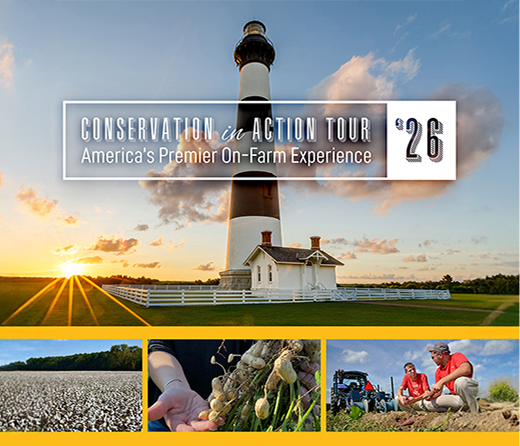
June 2026 | Raleigh, North Carolina
Conservation in Action Tour | America’s Premier On-Farm Experience
Related News

CTIC Board Chair Sets Priorities for 2026-2028 Term
Kellis Moss is one of the country’s leading public policy experts on wetland habitat. As Managing Director of Federal Affairs for Ducks Unlimited, he spends his days helping legislators, agencies, administrations, and partners understand policies that support wetland conservation and safeguard habitat for migratory waterfowl. Supporting conservation on private lands is a critical part of…

Share Your Conservation Story at the 20th Annual Conservation in Action Tour in Wisconsin
At the 19th annual Conservation in Action Tour in North Carolina, we heard from more than ten producers representing eight crops on topics like conservation practices in cotton to equipment modifications for a soil health system. As we plan our landmark 20th annual Conservation in Action Tour, we would love to continue hearing producers’ on-the-ground experience. To…

Brown Creek SWCD, Terry Cosby, and Robert Myers Inducted into the CTIC Hall Of Fame
The ceremony honored the first SWCD, designed by Hugh Hammond Bennett; one of Bennett’s NRCS Chief successors; and a leading authority on the adoption of conservation practices. INDIANAPOLIS — The Conservation Technology Information Center (CTIC) Hall of Fame welcomed two remarkable individuals and a pioneering organization during the 19th annual Conservation in Action Tour in…